
SUBSTANCE USE COUNSELING NEBRASKA · TELEHEALTH
Room to feel, space to grow.
A small, private-pay practice for people who have been carrying something heavy on their own, and who never felt the usual path to help was safe enough to take.
Why people call
Most people who reach me have been managing it alone for years.
Not because they didn’t know, but because of what asking seemed to cost. There was a licensing board to think about, or a job, or a spouse who still doesn’t know. Twenty years of reputation in a state where everyone seems to know everyone.
So it gets postponed again. Next quarter. After things settle down. And in the meantime the drinking, or the pills, or whatever it is, keeps doing its quiet work in the background.
I built this practice for people stuck in exactly that position. Paying privately is what makes it possible to get help without any of it going on a record.
Approach
Warm, curious, and evidence-informed.
We’ll go at your pace, not a script’s. There is no program to complete and no philosophy you have to adopt. Just careful attention, and honest conversation about what is really going on.
A conversation first
Twenty minutes on the phone, free and confidential, with no forms to fill in first. Ask whatever you need to, and I’ll tell you honestly whether I’m the right fit.
An honest assessment
Two sessions to get the whole picture. What you are using, your history and health, what keeps the pattern in place, and what is already working.
Goals you chose
For some people that means stopping altogether. For others it means cutting back, or testing whether they can. You don’t have to arrive certain, and agreeing with me is not a condition of working together.
The life around it
Motivational interviewing, CBT, and relapse prevention. We also work on the sleep, the marriage, the grief, and whatever pressure sits underneath.
Privacy
What private pay actually buys you.
Most practices leave this in the fine print. For the people I work with, it is often the reason they finally picked up the phone.
No diagnosis on file
To bill insurance I would have to give you a diagnosis and send it to a third party, who then keeps it indefinitely. With no claim, there is nothing to send and nothing for anyone to keep.
No utilization review
Nobody outside our sessions decides how many you need or when you are finished. We keep going while it is useful, and stop when it is not.
Stricter federal protection
Substance use records are protected under 42 CFR Part 2, which goes beyond HIPAA. Releasing them requires your specific written consent, and in most cases that holds even against a subpoena.
About
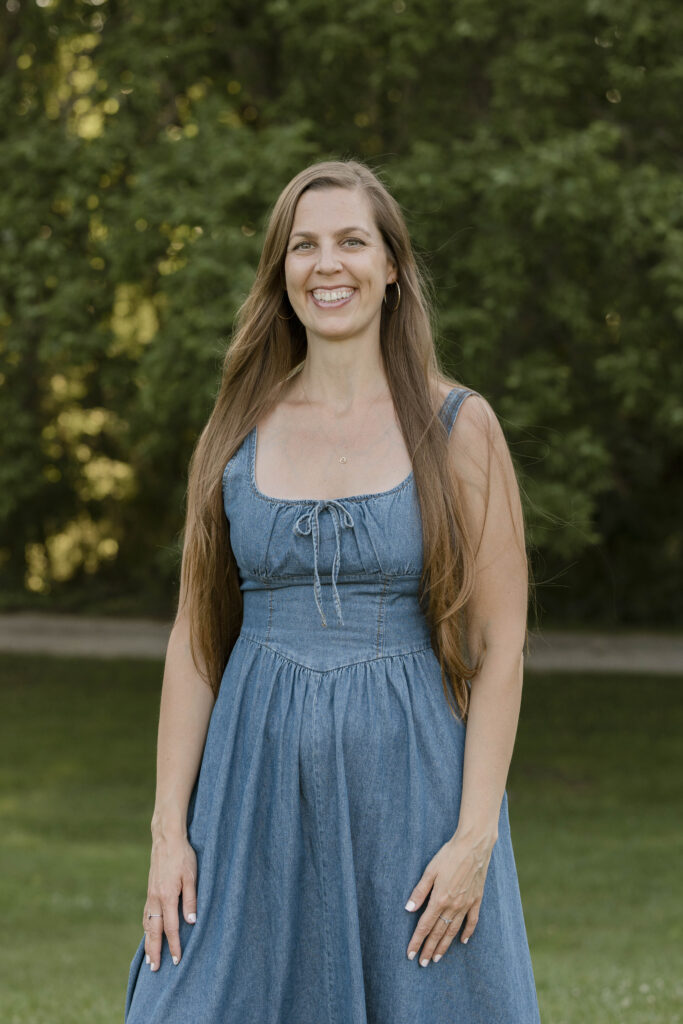
Hi, I’m Jessica.
I came to this work close enough to addiction to know what it costs a family, and stubborn enough to think we could respond to it better than we usually do.
Therapy, at its best, is a place to slow down. To make sense of what’s heavy, to notice what wants to bloom, and to leave with a little more of yourself in your hands. I keep a small caseload on purpose, because real change asks for real attention.
When I’m not in session you’ll find me on a long walk with my dog, planning the next trip, or trying to keep something alive in the garden.
Payment
Private pay, and what that’s for.
I don’t bill insurance and I’m not paneled with any plan. Payment is due at the time of service. What you are paying for is care that stays between us, with no claim filed, no diagnosis sent to anyone, and no third party deciding when you are finished.
We go over current rates on the first call, before you commit to anything. I would rather talk you through what your own care is likely to cost than post a number that may not apply to you.
Your right to a Good Faith Estimate
Under the No Surprises Act, you have the right to a written estimate of what your care is expected to cost before we begin. I provide one at intake, and again any time your treatment plan changes. You can also ask for one at any point, by phone or in writing, and I will get it to you within three business days.
Questions
Questions About Substance Use Counseling in Nebraska
Do I have to be ready to quit?
No. Most people arrive unsure, and being of two minds about it is a normal part of this rather than a reason to stay away. Getting clear on what you actually want is often the most useful work we can do.
Is this abstinence-only?
No. Stopping altogether is the right goal for some people, and I will say so plainly when I think it is. For others, cutting back or testing what is possible is a more honest place to start. You set the goal, and I will tell you straight what I am seeing.
What happens on the first call?
We talk for about twenty minutes. You tell me as much or as little as you want and ask me anything. I will explain how I work and what it costs. There is no paperwork and no obligation, and if I am not the right fit I will point you toward someone who is.
Could my employer or licensing board find out?
Not through me. With no insurance claim there is no third-party record of your care, and substance use records carry heightened federal protection under 42 CFR Part 2, which requires your specific written consent before anything is released. The limits on confidentiality are the same ones that apply to every counselor: imminent danger to you or someone else, or abuse of a child or vulnerable adult. I will go over them with you in writing.
Do I have to live near Omaha?
No. The practice is telehealth only, so I can work with anyone located in Nebraska. Sessions happen over a secure video platform, and a lot of people find it easier than driving to an office.
What if I’ve tried before?
Most of the people I see have. An attempt that didn’t hold is not proof that you can’t. Usually it tells us something about what was missing that time, which is worth understanding rather than apologizing for.
Contact
Start with a conversation.
Twenty minutes, no cost, no forms. I answer every message myself, usually within one business day.